
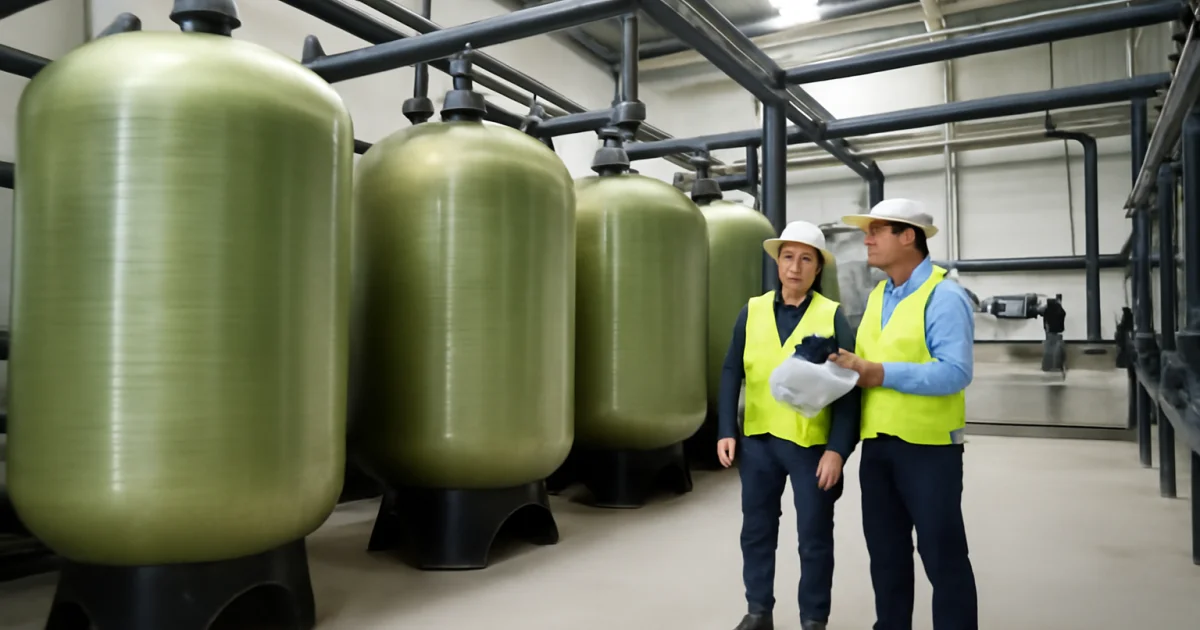
Water storage is a fundamental requirement for industries in Malaysia, from manufacturing plants to water treatment facilities and construction projects. Traditionally, steel and concrete tanks have been the mainstay, but Fiber Reinforced Polymer (FRP) water tanks are rapidly emerging as the preferred solution for modern industrial needs. In this article, we explore why FRP water tanks are transforming industrial water storage in Malaysia, drawing on practical examples and actionable insights for decision-makers.
The Evolving Demands of Industrial Water Storage in Malaysia
Malaysia’s industrial landscape has seen rapid expansion over the past decades, with sectors such as manufacturing, petrochemicals, water treatment, and construction raising the bar for water storage demands. Factors like increased water usage, stricter regulatory requirements, and the need for reliable, low-maintenance infrastructure drive the demand for advanced storage solutions. Companies are seeking tanks that not only store water safely but also withstand harsh environments, chemical exposure, and the tropical Malaysian climate.
As industries scale and diversify, water storage systems must adapt to higher volumes, more variable contents, and stringent operational standards. The tropical climate—marked by heavy rainfall, high humidity, and temperature fluctuations—further intensifies the need for storage solutions that resist weathering and environmental degradation. In addition, increasing urbanization and the growth of high-rise developments have led to space constraints that require flexible, space-saving tank designs. For many organizations, these evolving needs underscore the importance of investing in water storage that is both robust and future-proof.
What Are FRP Water Tanks?
FRP, or Fiber Reinforced Polymer, water tanks are storage vessels constructed from high-strength fibers (typically glass) embedded in a polymer resin matrix. This combination creates a composite material with exceptional mechanical properties and corrosion resistance. Unlike traditional steel or concrete tanks, FRP tanks are lightweight, easy to transport, and highly customizable in shape and size. They are engineered to meet the specific needs of industrial, municipal, and commercial facilities.
FRP technology allows for advanced manufacturing methods such as filament winding and hand lay-up, which enable the production of both standardized and highly customized tanks. The flexibility of the material means tanks can be built in various geometries and with features such as internal baffles, inspection hatches, and integrated piping connections. This versatility is especially valuable in retrofitting older facilities or integrating with complex process systems, where off-the-shelf steel or concrete tanks may not fit the requirements.
Key Advantages of FRP Water Tanks Over Traditional Solutions
Several factors set FRP water tanks apart from conventional storage options:
- Corrosion Resistance: FRP tanks are impervious to rust and chemical attack. This is crucial for facilities storing aggressive liquids or operating in humid, coastal, or chemically demanding environments.
- Lightweight Yet Strong: Despite being much lighter than steel or concrete, FRP tanks offer impressive strength and structural integrity. This makes handling, installation, and relocation far easier and more cost-effective.
- Low Maintenance: FRP does not require regular painting, surface treatment, or corrosion protection, reducing long-term operational costs and downtime.
- Customizable Design: FRP tanks can be fabricated in various shapes, sizes, and colors, with options for cylindrical, rectangular, and modular configurations to suit tight spaces or unique project needs.
- Long Service Life: Properly engineered FRP water tanks can last decades, even in aggressive environments, thanks to their resistance to weathering, UV radiation, and impact.
- Hygienic and Safe: The smooth, non-porous interior surfaces of FRP tanks help prevent bacterial growth and make cleaning easier, supporting high water quality standards required by many industries.
Additionally, FRP tanks offer excellent thermal insulation properties, helping to maintain water quality by minimizing temperature fluctuations. Thanks to their modular construction options, they can be expanded or reconfigured as facility requirements evolve. This adaptability is an appealing feature for growing operations or those planning phased expansions.
Practical Applications: Where FRP Water Tanks Make a Difference
FRP water tanks are now widely used across a spectrum of Malaysian industries. Here are some practical examples:
- Manufacturing Plants: Factories rely on FRP tanks for storing process water, cooling water, and chemicals. Their resistance to acids, alkalis, and industrial fluids makes them ideal for harsh environments.
- Water & Wastewater Treatment Facilities: Treatment plants utilize FRP tanks for raw water storage, treated water, and chemical dosing. Their non-corrosive nature ensures long-term reliability and water purity.
- Construction & Infrastructure Projects: FRP tanks are used on-site for temporary or permanent water storage, fire-fighting reserves, and concrete batching plants. Their mobility and ease of installation are significant advantages for fast-paced projects.
- Petrochemical & Chemical Industries: Facilities handling aggressive chemicals trust FRP tanks for their corrosion resistance and ability to be engineered for specific chemical compatibilities.
- Hotels, Resorts & Theme Parks: FRP tanks provide clean and safe water storage for pools, water attractions, and general utility, while blending attractively with the facility’s design.
Beyond these, FRP tanks are also gaining adoption in agriculture for irrigation and rainwater harvesting, as well as in food and beverage processing for hygienic water and ingredient storage. Their ability to meet strict hygiene and safety standards positions them as a preferred choice across various sectors where contamination control is critical.
Why Malaysian Industries Are Making the Switch
Several factors unique to the Malaysian context are accelerating the shift to FRP water tanks. The country’s humid, tropical climate accelerates the corrosion of metallic tanks, leading to frequent repairs and replacements. The economic impact of tank failures can be severe, especially where water supply continuity is mission-critical. Furthermore, Malaysia’s growing emphasis on sustainability and cost-efficiency motivates organizations to seek solutions with a lower lifecycle cost and environmental impact.
Government and institutional buyers often specify non-metallic water storage for new projects to ensure compliance with modern building codes and minimize future liabilities. With more local manufacturers—such as OCM—offering ISO 9001:2015 certified, fully customized FRP water tanks, the barriers to adoption have dropped significantly.
In addition, the Malaysian government has introduced various incentives and guidelines to encourage the adoption of sustainable building materials. These initiatives favor solutions that offer environmental benefits, reduced maintenance requirements, and lower energy consumption throughout the product lifecycle. For many organizations, switching to FRP water tanks is part of a broader strategy to align with green building certifications and corporate social responsibility goals. As more successful case studies and testimonials emerge, confidence in FRP tank performance continues to grow within the engineering and construction communities.
What to Look For in an FRP Water Tank Manufacturer in Malaysia
Choosing the right FRP water tank supplier is pivotal for long-term reliability and performance. Here are actionable criteria to guide selection:
- Technical Expertise: Look for manufacturers with specialized FRP engineering capabilities and a proven track record in serving industrial clients.
- Customization: Ensure the supplier can design tanks to your project’s exact specifications, including shape, size, chemical compatibility, and site constraints.
- Quality Assurance: Prioritize companies with ISO 9001:2015 certification and robust quality control processes.
- Project Support: Choose a partner who offers end-to-end services—from engineering design and prototyping to delivery, installation, and after-sales support.
- Industry Approvals: For critical infrastructure, check if the manufacturer is recognized or approved by key agencies or large institutions.
- References and Case Studies: Request practical examples of completed projects in your industry to validate the manufacturer’s experience.
OCM, for instance, is recognized as a top frp water tank manufacturer malaysia and offers a complete suite of design, manufacturing, and support services, making them a strong candidate for demanding industrial and infrastructure projects.
It is also advisable to evaluate a manufacturer’s after-sales service commitment. A reliable supplier will provide clear maintenance guidelines, rapid response to support requests, and access to spare parts or repair materials. Site visits to previous installations can provide valuable insights into real-world tank performance and the supplier’s attention to detail. Additionally, seek out suppliers who invest in continuous research and development, as this demonstrates a commitment to innovation and ongoing product improvement.
Installation and Maintenance: What to Expect
One of the biggest advantages of FRP water tanks is the simplicity and speed of installation. Their lightweight nature means less need for heavy lifting equipment, reduced foundation requirements, and shorter project timelines. Modular FRP tanks can be assembled on-site in confined or elevated spaces, which is invaluable for retrofitting existing facilities or building in urban environments.
Maintenance is minimal: periodic inspection and cleaning are usually sufficient. Should repairs be necessary, FRP tanks can often be serviced in place with specialized resins and patches, minimizing downtime. This stands in sharp contrast to steel tanks that require sandblasting, welding, and repainting, or concrete tanks prone to cracking and seepage.
During installation, it’s important to follow best practices for base preparation, anchoring, and joint sealing to ensure optimal tank performance. Manufacturers often provide detailed installation manuals and on-site supervision to assist contractors and facility managers. Training plant staff in routine inspection and cleaning can further extend the tank’s service life and prevent small issues from escalating. Inspections should check for signs of surface abrasion, UV degradation, or improper fittings, all of which can be easily addressed if detected early. Keeping a record of maintenance activities also aids in warranty claims and long-term asset management.
Addressing Common Concerns and Myths About FRP Water Tanks
Despite their benefits, some buyers hesitate due to misconceptions:
- Strength and Durability: Modern FRP tanks are engineered to meet or exceed the strength requirements of traditional tanks. With proper design and manufacture, they can withstand significant loads and impacts.
- Cost: While the upfront investment may be on par with or slightly higher than steel tanks, the reduced maintenance, longer service life, and lower installation costs make FRP tanks more cost-effective over time.
- Environmental Impact: FRP tanks are produced with less energy than steel or concrete, and many manufacturers are adopting more sustainable resin systems. Their long lifespan reduces waste and replacement frequency.
- Regulatory Acceptance: FRP tanks are widely accepted in Malaysian building codes and by government agencies, especially when supplied by reputable, certified manufacturers.
Another myth is that FRP tanks are difficult to repair or modify; in reality, composite materials can often be restored on-site without the need for complete tank replacement. Advances in resin technology and composite fabrication have also led to improved resistance to harsh chemicals, UV light, and thermal cycling. Finally, some may question the scalability of FRP tanks for very large industrial projects, but modern manufacturing techniques and modular assembly now allow for the construction of tanks with capacities ranging from a few thousand liters to several million liters, making them suitable for virtually any application.
Case Study: FRP Tanks in an Industrial Water Treatment Plant
Consider a water treatment facility in Selangor that recently upgraded its storage infrastructure. The plant replaced its aging steel tanks with custom-fabricated FRP tanks from a local supplier. The transition resulted in:
- Reduced maintenance downtime and costs, as there was no longer a need for corrosion prevention treatments.
- Improved water quality, thanks to the smooth, inert interior surfaces of the FRP tanks.
- Faster installation, allowing the plant to resume full operations ahead of schedule.
- A projected service life exceeding 25 years, delivering a strong return on investment and environmental benefits.
This example reflects a broader trend across Malaysia—industries are seeking out the advantages of FRP water tank solutions to future-proof their operations.
In another scenario, a high-rise commercial development in Kuala Lumpur selected modular FRP tanks for rooftop installation due to weight limitations and restricted access. The lightweight panels were easily transported to the upper floors and assembled in place, with minimal disruption to other trades. The result was a secure, hygienic water supply system that met both regulatory requirements and the client’s demanding architectural standards.
Actionable Steps: How to Transition to FRP Water Tanks
If your facility is considering upgrading or replacing its water storage infrastructure, here’s a practical roadmap:
- Needs Assessment: Define your project’s storage capacity, space, environmental, and regulatory requirements.
- Supplier Engagement: Shortlist reputable FRP water tank manufacturers and request site visits, technical proposals, and references.
- Design Review: Work with your chosen supplier to finalize tank design, materials, and installation logistics.
- Implementation: Coordinate with the supplier for delivery and installation, ensuring minimal disruption to ongoing operations.
- Ongoing Maintenance: Establish a simple inspection and cleaning schedule, and maintain contact with your supplier for rapid support if needed.
The transition to FRP water tanks is not only a matter of replacing old infrastructure; it’s an opportunity to enhance operational reliability, safety, and cost-efficiency.
For organizations managing multiple sites or facilities, consider implementing a standardized approach to FRP tank procurement and maintenance. This can simplify spare parts management, training, and compliance reporting. Engage with your chosen manufacturer early in the design phase to identify potential challenges and explore value-added features such as remote monitoring sensors or integrated overflow alarms. Planning for scalability—by selecting modular or expandable tank systems—can help accommodate future growth without major infrastructure changes.
Conclusion: FRP Water Tanks—A Smart Investment for Malaysia’s Industrial Future
FRP water tanks have proven themselves as a transformative solution for industrial water storage in Malaysia. Their unmatched corrosion resistance, durability, and flexibility make them ideal for a broad range of applications—from factories and treatment plants to hotels and infrastructure projects. As industrial demands evolve and sustainability becomes increasingly important, FRP tanks offer a future-ready alternative that combines performance with peace of mind.
As more organizations look to modernize their water storage, partnering with an experienced, certified FRP water tank manufacturer in Malaysia, such as OCM, ensures that your infrastructure investment delivers long-term value. Whether you’re planning a new facility or upgrading existing systems, FRP water tanks represent a forward-thinking choice that aligns with Malaysia’s industrial growth and environmental goals.
Frequently Asked Questions
What makes FRP water tanks better than steel or concrete tanks for industrial use?
FRP water tanks offer superior corrosion resistance, are lighter and easier to install, require less maintenance, and can be customized to fit specific industrial needs. Unlike steel or concrete, FRP does not rust or crack, leading to a longer service life and lower long-term costs.
Are FRP water tanks approved for use in Malaysian industrial facilities?
Yes, FRP water tanks are widely accepted in Malaysia and comply with relevant building codes and standards. Reputable manufacturers, such as OCM, offer ISO 9001:2015 certified products that are recognized by government agencies and major industrial clients.
How long do FRP water tanks typically last in industrial environments?
With proper engineering, installation, and maintenance, FRP water tanks can provide a service life of 20-30 years or more, even in harsh or chemically aggressive industrial settings. Their resistance to corrosion and environmental factors supports extended longevity.
Can FRP water tanks be used for storing chemicals or only water?
FRP tanks are highly versatile and can be engineered for safe storage of water, chemicals, wastewater, and process fluids. The resin and reinforcement materials can be selected to ensure compatibility with a wide range of industrial substances.
What should I look for when choosing an FRP water tank manufacturer in Malaysia?
Select a manufacturer with specialized FRP engineering expertise, proven experience in your industry, ISO 9001:2015 certification, and a strong track record of project support. Custom design capability and references from past clients are also important indicators of quality.
Upgrade Your Industrial Water Storage with OCM’s FRP Solutions
Ready to future-proof your facility with advanced FRP water tanks? Trust OCM—Malaysia’s expert in customized FRP engineering—for durable, corrosion-resistant water storage designed to your industry’s exact needs. Our ISO 9001:2015 certified team delivers complete support, from consultation and design to installation and after-sales service.
Contact OCM today to discuss your project requirements and discover how our FRP water tanks and composite solutions can transform your operations.
Disclaimer Statement
We hope you found this article informative. Our content is intended for general informational purposes only and does not constitute advice or necessarily reflect the full range of services offered by OCM Enterprise
Readers are advised to consult with a qualified industry professional and contact our experts for crane recommendations specific to their individual project needs. While we strive for accuracy and completeness in our blog posts, we cannot guarantee they are error-free. OCM Enterprise assumes no responsibility for any errors or omissions.