
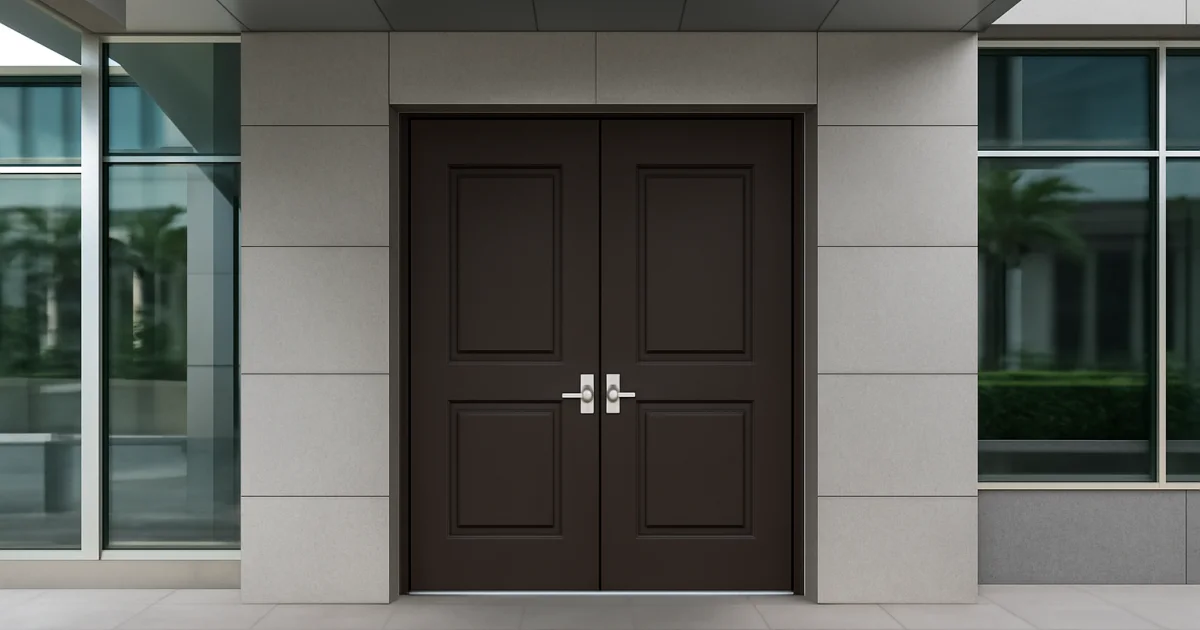
The landscape of Malaysian infrastructure is evolving rapidly, with new materials and technologies playing a pivotal role in shaping modern construction projects. Among these innovations, fiberglass doors—engineered by leading fiberglass door manufacturer Malaysia companies—are redefining expectations for durability, safety, and design flexibility. This article delves deep into how emerging standards in fiberglass door manufacturing are influencing infrastructure, benefiting contractors, architects, government entities, and property developers alike.
The Rise of Fiberglass Doors in Malaysian Construction
Historically, metal and wooden doors dominated industrial, commercial, and utility projects in Malaysia. However, increasing awareness of environmental conditions, maintenance costs, and safety standards has driven a shift towards Fiber Reinforced Polymer (FRP) solutions. Fiberglass doors offer high resistance to corrosion, impact, moisture, and chemicals, making them uniquely suited for Malaysia’s humid climate and demanding infrastructure environments.
Major industry players, such as OCM, have contributed to this shift by supplying FRP composite doors to critical projects—ranging from government utilities to hospitality and recreational developments. The adoption of such doors has accelerated as project owners and consultants recognize the long-term value offered by advanced composites.
Comparing Fiberglass with Traditional Materials
Compared to timber or steel, fiberglass doors deliver a compelling mix of benefits. Unlike timber, which is subject to warping and termite attack, or steel, which may corrode in high-humidity environments, FRP doors maintain their integrity and appearance with minimal maintenance. This difference is especially important in Malaysia, where tropical rains and coastal climates can quickly degrade traditional materials. Furthermore, fiberglass doors are lightweight, reducing installation labor and hardware costs while delivering robust strength.
Key Drivers: Why New Standards Matter
Modern Malaysian infrastructure projects demand materials that meet stringent safety, quality, and sustainability benchmarks. Key drivers shaping new standards in fiberglass door manufacturing include:
- Durability and Longevity: FRP doors resist warping, rotting, and rusting, reducing lifecycle costs and minimizing replacements.
- Compliance with Industrial Codes: Increasing regulatory oversight requires manufacturers to adhere to ISO 9001:2015 quality management and obtain approvals from authorities such as Tenaga Nasional Berhad (TNB) for utility applications.
- Custom Engineering: Project-specific requirements for size, design, color, and function have led to an emphasis on made-to-order capabilities, ensuring each installation fits its operational demands.
- Environmental and Safety Standards: As sustainability moves to the forefront, FRP materials offer a lower environmental impact compared to metals treated with hazardous coatings or timber harvested from protected forests.
Typical Challenges Addressed by New Standards
In the past, inconsistent quality, limited documentation, and varying performance among suppliers made it difficult for project owners to make informed choices. Today’s standards address these issues by ensuring traceability, product testing, and documentation. For example, certifications such as ISO 9001:2015 offer assurance that each door has passed rigorous quality controls, while TNB approval demonstrates suitability for utility infrastructure. These measures help reduce the risk of premature failure and ensure predictable performance in demanding environments.
Technological Advancements in FRP Manufacturing
OCM and other forward-thinking manufacturers are leveraging state-of-the-art technologies to enhance product consistency and performance. Modern FRP door production involves:
- Precision Molding: Computer-aided design (CAD) systems enable complex geometries and tight tolerances, ensuring doors are structurally robust and aesthetically pleasing.
- Advanced Resin Systems: New resin formulations improve fire resistance, UV stability, and chemical compatibility—key for industrial, marine, and chemical plant environments.
- Quality Control Protocols: ISO 9001:2015 certified workflows guarantee traceability from raw material selection to final inspection, reducing defects and maximizing product service life.
Step-by-Step: The Modern FRP Door Manufacturing Process
- Design & Engineering: Collaborating with project stakeholders, manufacturers create 3D CAD models that incorporate performance, safety, and aesthetic requirements.
- Material Selection: Resin and fiber reinforcements are chosen based on the intended use, such as fire rating, chemical exposure, or UV stability.
- Molding: Precision molds shaped to exact specifications ensure consistent thickness, finishes, and structural features.
- Curing & Finishing: Controlled curing cycles optimize material properties. Post-curing, doors are trimmed, finished, and inspected for surface quality.
- Assembly & Hardware Integration: Custom hardware, locking systems, and reinforcement inserts are integrated as per project needs.
- Testing & Certification: Finished doors undergo mechanical, fire, and environmental testing before being certified for delivery.
These steps ensure that every door meets the highest standards for performance and reliability, reducing the likelihood of installation issues or premature failure.
Regulatory Compliance and Certification: Meeting Malaysia’s Demands
One of the most significant shifts in the sector is the increasing importance of regulatory compliance. For example, OCM’s status as a TNB approved supplier—validated by a Certificate of Acceptance from TNB Research—demonstrates the rigorous testing and performance validation now expected. Government and utility organizations increasingly specify certified FRP doors for substations, treatment plants, and public infrastructure, knowing these products meet Malaysian and international standards for safety, performance, and durability.
In addition, building projects now often require suppliers to demonstrate compliance with local fire, safety, and environmental codes. The ability to provide supporting documentation and test results has become a critical differentiator in the tender process.
Checklist: Ensuring FRP Door Compliance
- Verify ISO 9001:2015 quality management certification.
- Request documentation of TNB or other utility approvals.
- Review fire, chemical, and impact resistance test results.
- Check for traceability and documented quality assurance procedures.
- Ensure manufacturer offers ongoing technical support for installation and maintenance.
Custom Solutions: Tailoring FRP Doors to Project Needs
Modern infrastructure projects are rarely one-size-fits-all. Developers, architects, and contractors seek suppliers that can deliver customized solutions—whether for unique dimensions, security features, decorative finishes, or specific color requirements. OCM’s strong custom-made capability enables project teams to specify:
- Non-standard door sizes for retrofits or new builds
- Specialized hardware and locking mechanisms for security and access control
- Surface textures and finishes that complement architectural styles
- Color matching for corporate branding or regulatory compliance
This flexibility ensures that FRP doors do not just meet functional requirements but also contribute to the visual identity and operational efficiency of each development.
Practical Considerations for Custom FRP Doors
When specifying custom FRP doors, project teams should consider the following:
- Lead Time: Custom manufacturing typically requires additional lead time for design, approvals, and production. Early engagement with the manufacturer can streamline the process.
- Budget Impact: While custom doors may carry a premium, the long-term savings in maintenance, energy efficiency, and durability often outweigh initial costs.
- Coordination: Seamless collaboration between architects, contractors, and the manufacturer is vital to ensure that measurements, site conditions, and installation details align.
- After-Sales Support: Choose a manufacturer that offers comprehensive support and maintenance guidance for custom installations.
Case Applications: FRP Doors in Practice
Utility and Infrastructure: Malaysia’s utility providers, such as TNB, rely on certified FRP doors for substations, control rooms, and power distribution points. These installations benefit from the doors’ non-conductive properties, corrosion resistance, and robust construction, which help prevent unauthorized access and withstand harsh weather conditions.
Industrial and Manufacturing: Factories and processing plants deploy FRP doors in chemical storage areas, production halls, and clean rooms, where resistance to aggressive chemicals and ease of cleaning are paramount. The lightweight nature of FRP also simplifies installation and reduces wear on hinges and hardware.
Public and Commercial Buildings: Hotels, resorts, and commercial complexes integrate FRP doors for back-of-house, maintenance, and high-traffic zones. The doors’ impact resistance and minimal maintenance requirements reduce operational disruptions and long-term facility costs.
Water & Wastewater Facilities: Treatment plants benefit from custom-engineered FRP doors that withstand constant exposure to moisture and corrosive agents, providing reliable security and longevity.
Scenario Analysis: Avoiding Common Mistakes
To maximize the value of FRP doors, avoid these common pitfalls:
- Incorrect Specification: Failing to communicate all project requirements can result in mismatched hardware, colors, or fire ratings.
- Improper Installation: Even the best door can underperform if installed incorrectly. Adhering to manufacturer guidelines is essential.
- Neglecting Maintenance: While FRP doors require less maintenance, periodic inspection of hardware and seals extends service life.
- Overlooking Documentation: Always keep certificates and installation manuals accessible for future reference, especially for regulatory audits.
Benefits for Project Stakeholders
Adopting doors from a leading fiberglass door manufacturer Malaysia brings tangible advantages for a broad spectrum of stakeholders:
- Contractors: Faster installation times, reduced call-backs, and lower maintenance obligations.
- Developers & Architects: Greater design freedom and assurance that specifications will be met exactly—enhancing project quality and aesthetics.
- Government and Utility Organizations: Confidence in compliance, safety, and long-term asset performance.
Additional benefits include improved fire and chemical resistance, non-conductivity, and the ability to integrate doors seamlessly with other FRP infrastructure components such as gratings, tanks, and handrails.
Long-Term Value: Lifecycle Cost Savings
One of the most compelling reasons for adopting FRP doors is the significant reduction in lifecycle costs. Unlike timber or steel, which may require frequent repairs or replacement in harsh conditions, FRP doors can last decades with minimal intervention. This benefit is particularly valuable for large infrastructure operators and facility managers, who must balance upfront investments with long-term operational budgets.
Furthermore, the energy efficiency of well-sealed FRP doors can contribute to lower HVAC costs in climate-controlled spaces. Their resistance to mold and bacteria also creates healthier environments in schools, hospitals, and food processing plants.
Future Trends: What’s Next for FRP Door Standards?
The trajectory for fiberglass doors in Malaysian infrastructure is one of continuous improvement. Key trends to watch include:
- Integration with Smart Building Systems: Incorporating sensors and access control technologies into FRP door designs.
- Enhanced Fire Safety: Adoption of new fire-retardant resin systems and compliance with increasingly rigorous fire safety codes.
- Sustainability: Use of recycled or bio-based resins, and streamlined manufacturing processes to minimize waste and energy consumption.
- Expanded Customization: Modular door systems and innovative finishes to serve a wider range of architectural and operational needs.
Opportunities for Collaboration and Innovation
As these trends unfold, collaboration between manufacturers, regulators, contractors, and end users will further elevate the quality and utility of FRP doors in Malaysia’s public and private infrastructure projects. Manufacturers are already exploring partnerships with smart building system providers and research institutions to develop next-generation door solutions that offer integrated monitoring, energy efficiency, and enhanced security.
Future regulatory updates may also require ongoing innovation. For example, Malaysia’s increasing focus on Green Building Index (GBI) certification encourages manufacturers to adopt eco-friendly practices, such as using recycled inputs or low-emission resins. These changes will shape the next generation of FRP products and offer new value propositions for project owners focused on sustainability and social responsibility.
Choosing the Right Fiberglass Door Partner
With standards rising, selecting the right manufacturer is crucial. Look for partners who demonstrate:
- Proven engineering expertise in FRP design and manufacturing
- Strong track record of delivering custom solutions for demanding applications
- Certifications such as ISO 9001:2015 and recognized approvals (e.g., TNB acceptance)
- Comprehensive project support from consultation to installation and aftercare
- Transparent quality assurance and competitive pricing
OCM exemplifies these capabilities, supporting Malaysia’s infrastructural transformation with advanced, compliant, and reliable fiberglass doors tailored to each project’s needs.
Checklist: Evaluating a Fiberglass Door Supplier
- Request case studies and references from previous infrastructure projects.
- Assess the range of customization options for hardware, finishes, and colors.
- Verify in-house engineering and testing capabilities.
- Confirm availability of technical support and local installation teams.
- Review warranty terms and after-sales service commitments.
Conclusion: FRP Doors—A Foundation for Modern, Resilient Infrastructure
As Malaysia continues its journey towards smarter, safer, and more sustainable infrastructure, the adoption of advanced fiberglass doors is setting new benchmarks. The latest manufacturing standards provide the foundation for long-lasting performance, compliance, and versatility—ensuring that buildings, utilities, and industrial facilities are future-ready. By embracing these new standards and partnering with expert manufacturers, stakeholders can confidently invest in infrastructure that stands the test of time.
Frequently Asked Questions
What are the main advantages of using fiberglass doors in Malaysian infrastructure?
Fiberglass doors offer superior resistance to corrosion, moisture, impact, and chemicals—making them ideal for Malaysia’s humid climate and industrial environments. They provide long-term durability, require minimal maintenance, and can be customized for specific project requirements.
How do new manufacturing standards benefit contractors and developers?
New standards ensure that fiberglass doors meet strict safety, quality, and performance benchmarks. Contractors and developers benefit from improved reliability, easier regulatory approval, and the flexibility to specify doors that suit unique project needs, ultimately reducing lifecycle costs.
Are fiberglass doors suitable for high-security or critical utility applications?
Yes. Advanced manufacturing standards allow for the integration of security features, compliance with fire and safety codes, and non-conductive properties—making fiberglass doors well-suited for substations, control rooms, and critical infrastructure.
Can fiberglass doors be customized for architectural and branding needs?
Absolutely. Leading manufacturers can tailor FRP doors in terms of size, color, finish, and hardware to complement architectural styles and corporate branding, ensuring both functionality and aesthetics.
How do I choose the right fiberglass door manufacturer in Malaysia?
Look for a manufacturer with proven FRP engineering expertise, strong customization capabilities, relevant certifications (like ISO 9001:2015), and a track record of supporting large-scale infrastructure projects. OCM is a trusted partner for such needs.
Partner with OCM for Advanced Fiberglass Door Solutions
Ready to elevate your infrastructure projects with certified, durable, and customizable fiberglass doors? OCM combines specialized FRP engineering expertise, ISO 9001:2015 certified quality, and strong custom-made capabilities to meet the most demanding project requirements. Benefit from end-to-end support, competitive pricing, and solutions trusted by leading utilities, developers, and contractors across Malaysia.
Disclaimer Statement
We hope you found this article informative. Our content is intended for general informational purposes only and does not constitute advice or necessarily reflect the full range of services offered by OCM Enterprise
Readers are advised to consult with a qualified industry professional and contact our experts for crane recommendations specific to their individual project needs. While we strive for accuracy and completeness in our blog posts, we cannot guarantee they are error-free. OCM Enterprise assumes no responsibility for any errors or omissions.