
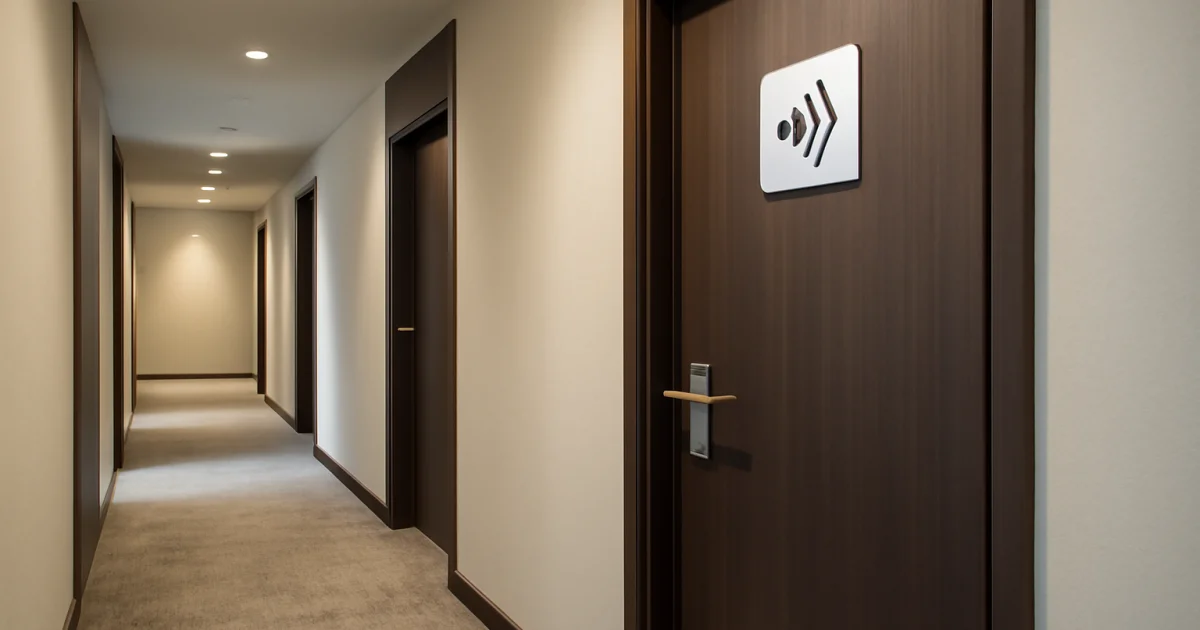
In Malaysia’s evolving commercial landscape, the demand for quieter, more comfortable environments is driving significant innovation in building design. As urban density increases and expectations for privacy rise, architects, property developers, and facility managers are seeking advanced solutions to minimize noise intrusion. One area gaining remarkable attention is the development and integration of modern acoustic door systems. In this article, we examine the future of acoustic door solutions in Malaysian commercial projects, exploring trends, materials, applications, and the factors shaping this rapidly advancing field.
Why Acoustic Performance Matters in Commercial Spaces
Commercial buildings such as hotels, offices, hospitals, and government facilities face unique acoustic challenges. Unwanted noise can disrupt work productivity, compromise privacy, and negatively impact guest experiences. In Malaysia’s tropical, bustling cities, effective noise control is not just a luxury—it is a necessity to remain competitive and meet regulatory requirements.
Sound transmission issues often arise from external traffic, mechanical systems, or activities within adjacent rooms. Traditional doors, even if aesthetically pleasing, rarely offer sufficient sound insulation. As a result, Malaysian property stakeholders are increasingly turning to purpose-built acoustic doors to address these challenges.
How Acoustic Doors Impact Wellbeing and Productivity
Noise pollution is a growing concern in Malaysia’s urban centers. Research has shown that excessive noise can cause increased stress levels, reduced concentration, and even long-term health impacts. In environments like hospitals, poor acoustic control may affect patient recovery rates and staff performance. In offices, persistent noise can reduce employee satisfaction and productivity. Hotels and hospitality venues risk negative reviews if guests experience disturbances from hallways or adjacent rooms.
Properly specified and installed acoustic doors mitigate these risks, helping to foster environments that promote wellbeing, confidentiality, and comfort. This, in turn, enhances the reputation of the property and supports higher occupancy or tenancy rates.
Technological Advances Shaping Acoustic Door Solutions
The last decade has seen rapid advancement in materials science and door engineering. Modern acoustic doors leverage a combination of dense cores, specialized seals, and advanced frame systems to significantly reduce sound transmission. Key innovations include:
- Multi-layered composite cores: These cores utilize combinations of high-density fiberboard, steel sheets, and viscoelastic damping layers for optimal sound attenuation.
- Perimeter and drop seals: Precision-engineered gaskets and drop-down thresholds prevent sound leakage at the door’s weak points.
- Custom finishes and integration: Acoustic doors can now be fabricated with attractive finishes, glass insets, or fire-rated options, meeting both aesthetic and safety requirements.
These advances make it possible to achieve higher Sound Transmission Class (STC) ratings, a key metric used to quantify a door’s sound-blocking performance.
Emerging Trends in Malaysia’s Acoustic Door Market
Several trends are influencing the future of acoustic door solutions in Malaysian commercial projects:
- Rising Standards for Sustainability: With Malaysia’s commitment to green building initiatives, there is an increasing preference for doors made from recycled or environmentally friendly materials, without compromising on acoustic performance.
- Integrated Smart Access: Modern acoustic doors are being equipped with electronic access controls, automated operation, and IoT-enabled sensors, aligning with smart building trends.
- Customization for Project Needs: Developers are seeking bespoke acoustic solutions that fit unique dimensions, colors, or branding, especially in luxury hotels, flagship offices, and high-end retail spaces.
- Fire and Acoustic Dual Ratings: There is growing demand for doors that provide both sound insulation and fire resistance, meeting multiple safety and comfort requirements simultaneously.
These trends are expected to accelerate as Malaysia continues to urbanize and invest in world-class commercial infrastructure.
Material Innovations: Beyond Timber and Steel
Historically, acoustic doors in Malaysia were constructed primarily from solid timber or steel. While these materials offer a baseline level of sound attenuation, they often fall short in high-performance applications or harsh environments.
Today, advanced materials such as Fiber Reinforced Polymer (FRP) composites are changing the game. FRP doors, for example, offer an optimal blend of durability, corrosion resistance, and tailored acoustic properties. These solutions are especially relevant for facilities exposed to moisture, chemicals, or heavy-duty use, such as:
- Water and wastewater treatment plants
- Industrial facilities
- Hospitals and laboratories
FRP acoustic doors can be engineered to meet strict soundproofing specifications, while also providing a lightweight and long-lasting alternative to conventional options.
Comparing Acoustic Door Options: Timber, Steel, and FRP
| Material | Sound Attenuation | Durability | Moisture/Corrosion Resistance | Customization | Best Use Cases |
|---|---|---|---|---|---|
| Timber | Moderate | Average | Low | High (Finishes/Colors) | Offices, Hotels, Hospitality |
| Steel | High | High | Moderate | Moderate | Industrial, Security, Utility |
| FRP | High (Customizable) | Very High | Excellent | High (Performance/Aesthetic) | Healthcare, Labs, Wet/Corrosive Areas |
This comparison highlights the importance of selecting the right material based on the intended environment and performance requirements.
Practical Applications and Case Studies
The adoption of advanced acoustic doors is evident in a range of Malaysian commercial projects. Consider the following practical examples:
- Hotels and Resorts: Leading hospitality brands in Kuala Lumpur and Penang are retrofitting guest room doors with high-STC acoustic models to ensure quiet, restful stays, even in city-center locations.
- Corporate Offices: Premium office developments are specifying acoustic doors for executive suites, meeting rooms, and co-working spaces to support productivity and confidentiality.
- Government and Utility Facilities: Infrastructure projects for agencies such as Tenaga Nasional Berhad (TNB) are deploying FRP acoustic doors that combine noise control with resilience against humidity and chemical exposure.
- Healthcare Environments: Hospitals are selecting acoustic doors for patient rooms and operating theaters to foster healing environments and meet infection control standards.
These real-world implementations illustrate how acoustic door solutions are delivering tangible value across diverse sectors in Malaysia.
Scenario Analysis: Acoustic Doors in a Mixed-Use Development
Imagine a new mixed-use development in central Kuala Lumpur, featuring a hotel, serviced apartments, restaurants, and retail spaces. The developer faces the challenge of providing quiet, comfortable environments for overnight guests, while also ensuring that commercial tenants are not disturbed by late-night events or heavy foot traffic.
By specifying a range of acoustic doors with varying STC ratings and finishes, the project team can:
- Provide high-STC doors for hotel guest rooms and apartment corridors to block noise from public areas.
- Install FRP acoustic doors in kitchens and service corridors to withstand humidity and regular cleaning.
- Use timber-finish acoustic doors in retail stores to complement branding while controlling ambient noise.
- Integrate smart access controls for secure, touchless entry in all high-traffic zones.
This holistic approach demonstrates how advanced door solutions can be tailored to meet the diverse needs of a complex, multi-use property.
Actionable Steps for Specifying Acoustic Doors in Commercial Projects
For property developers, architects, and project managers, the process of specifying acoustic doors should be methodical and tailored to each project’s requirements. Here are actionable steps to guide effective selection and integration:
- Assess Acoustic Needs: Conduct a thorough noise analysis of the building layout, identifying areas requiring the highest sound insulation.
- Define Performance Criteria: Determine the minimum STC rating needed for each door, considering factors such as room function, adjacent noise sources, and regulatory standards.
- Consider Environmental Conditions: Evaluate exposure to moisture, chemicals, or temperature fluctuations that may influence material choice (e.g., FRP for challenging environments).
- Balance Aesthetics and Functionality: Select doors that harmonize with interior design themes while delivering required performance.
- Engage with Specialized Manufacturers: Work with providers experienced in custom acoustic solutions who can support design, manufacturing, and installation.
- Plan for Compliance and Maintenance: Ensure doors meet fire, safety, and accessibility standards, and establish a maintenance protocol to preserve performance over time.
Checklist: Avoiding Common Mistakes in Acoustic Door Specification
- Ignoring the entire assembly: Sound can leak through frames, thresholds, and adjoining walls. Always consider the door as part of a complete acoustic assembly.
- Underestimating required STC ratings: Ensure ratings are appropriate for the location and expected noise levels.
- Overlooking operational needs: Consider fire egress, ADA compliance, and access control integration at the design stage.
- Skipping professional installation: Acoustic performance depends on precision fitting and correct sealing—always use experienced installers.
- Neglecting maintenance: Damaged seals or hardware can compromise sound insulation. Schedule regular inspections and timely repairs.
Expert Perspectives: What Lies Ahead?
In my view, the future of acoustic door solutions in Malaysia will be defined by increasing integration, customization, and performance. As commercial projects become more complex and the expectations of tenants rise, the pressure is on manufacturers to innovate beyond standard offerings.
FRP-based acoustic doors, for example, are poised to capture greater market share due to their unique properties and adaptability. We can also anticipate even greater synergy between acoustic solutions and digital building management systems, allowing for data-driven noise control and predictive maintenance.
Additionally, as sustainability becomes non-negotiable, manufacturers will need to prioritize eco-friendly materials and production processes, offering verified green credentials alongside technical performance.
Challenges and Considerations
Despite these promising trends, the adoption of advanced acoustic door solutions is not without challenges. Cost considerations remain significant, especially for small and mid-sized projects. There is also a continuing need for education among stakeholders regarding the technical aspects of acoustic performance and the long-term value of investing in high-quality doors.
Another key consideration is the proper installation and ongoing maintenance of acoustic doors. Even the best-designed products can underperform if incorrectly installed or neglected over time. As such, collaboration between manufacturers, contractors, and facility managers is essential to ensure lasting results.
Furthermore, navigating local regulations and standards for both fire and acoustic performance can be complex. Consulting with regulatory experts or industry consultants early in the project can prevent costly compliance issues and ensure that doors are certified for both sound insulation and safety.
Expanding the Value: Acoustic Doors and Integrated Building Performance
When evaluating acoustic doors for commercial projects, it’s important to consider their broader impact on integrated building performance. High-quality acoustic doors not only contribute to noise reduction but also support thermal insulation, energy efficiency, and even indoor air quality by minimizing drafts and pollutant transfer between zones. In large-scale developments, these benefits can translate into measurable savings on energy costs and improved sustainability ratings.
For example, in a LEED-certified office tower, the selection of acoustic doors with enhanced thermal breaks and airtight seals can help achieve points in both energy and indoor environmental quality categories. Such doors, when combined with advanced building management systems, can be monitored for performance, with sensors alerting facility managers to issues like improper closure or seal degradation—allowing for proactive maintenance and sustained performance over the building’s lifecycle.
Furthermore, as digital integration becomes more prevalent, acoustic doors can be linked with access control, fire alarm, and occupancy sensor systems. This integration not only improves security and safety but also allows for dynamic environmental adjustments, such as automatically closing high-STC doors during noisy events or emergencies. In the context of modern Malaysian commercial developments, these integrated solutions are becoming a benchmark for quality and future-readiness.
Conclusion: Building Future-Ready Commercial Spaces
The evolution of acoustic door solutions in Malaysian commercial projects reflects a broader commitment to comfort, privacy, safety, and sustainability. As expectations rise and building technologies advance, acoustic doors will increasingly be seen not just as functional necessities but as integral elements of high-performance, future-ready spaces.
For developers, architects, and facility managers, staying ahead means understanding the latest materials, design approaches, and integration strategies. By partnering with specialized manufacturers and prioritizing tailored solutions, Malaysian commercial projects can achieve superior acoustic environments that enhance occupant satisfaction and long-term value.
Frequently Asked Questions
What are the key benefits of using acoustic doors in commercial projects?
Acoustic doors significantly reduce noise transmission, ensuring privacy and comfort in offices, hotels, hospitals, and other commercial environments. They help meet regulatory requirements, improve productivity, and enhance the user experience by blocking unwanted external and internal noise.
How do FRP acoustic doors differ from traditional timber or steel doors?
FRP (Fiber Reinforced Polymer) acoustic doors offer superior durability, corrosion resistance, and tailored acoustic performance compared to traditional timber or steel. They are lightweight, suitable for harsh environments, and can be customized for specific soundproofing and safety requirements.
What factors should be considered when specifying acoustic doors for a Malaysian building?
Key considerations include the required Sound Transmission Class (STC) rating, exposure to moisture or chemicals, fire resistance, aesthetic needs, compliance with building codes, and long-term maintenance. Engaging with experienced manufacturers ensures the right solution for each application.
Can acoustic doors be customized for unique project requirements?
Yes, modern acoustic door solutions can be customized for size, color, finish, performance rating, and integration with smart access controls or fire safety systems. This flexibility is especially valuable in luxury, high-traffic, or specialized environments.
Are acoustic doors suitable for both new builds and retrofit projects?
Acoustic doors can be installed in both new construction and retrofit projects. Specialized providers can design solutions that fit existing openings or meet specific renovation requirements, ensuring improved noise control regardless of project type.
Transform Your Commercial Space with Acoustic Solutions from OCM
Ready to elevate comfort and privacy in your next Malaysian commercial project? OCM specializes in customizable acoustic and FRP door solutions engineered for durability, sound insulation, and aesthetic appeal. Our expert team provides end-to-end support—from consultation and design to manufacturing and installation—ensuring your project’s acoustic requirements are met with precision. Discover how OCM can help you create future-ready spaces that impress occupants and stand the test of time.
Disclaimer Statement
We hope you found this article informative. Our content is intended for general informational purposes only and does not constitute advice or necessarily reflect the full range of services offered by OCM Enterprise
Readers are advised to consult with a qualified industry professional and contact our experts for crane recommendations specific to their individual project needs. While we strive for accuracy and completeness in our blog posts, we cannot guarantee they are error-free. OCM Enterprise assumes no responsibility for any errors or omissions.